Here you can find all the contributions from students in the summer semester 2026 in the "Climate Change" module from Prof. Martin Wilmking, Ph.D.
For every topic you will find a short overview, the students' poster contribution and 3 to 5-minute podcast. Enjoy!
SESSION 01
Reducing Landslide Risk with Agroforestry in the Horn of Africa
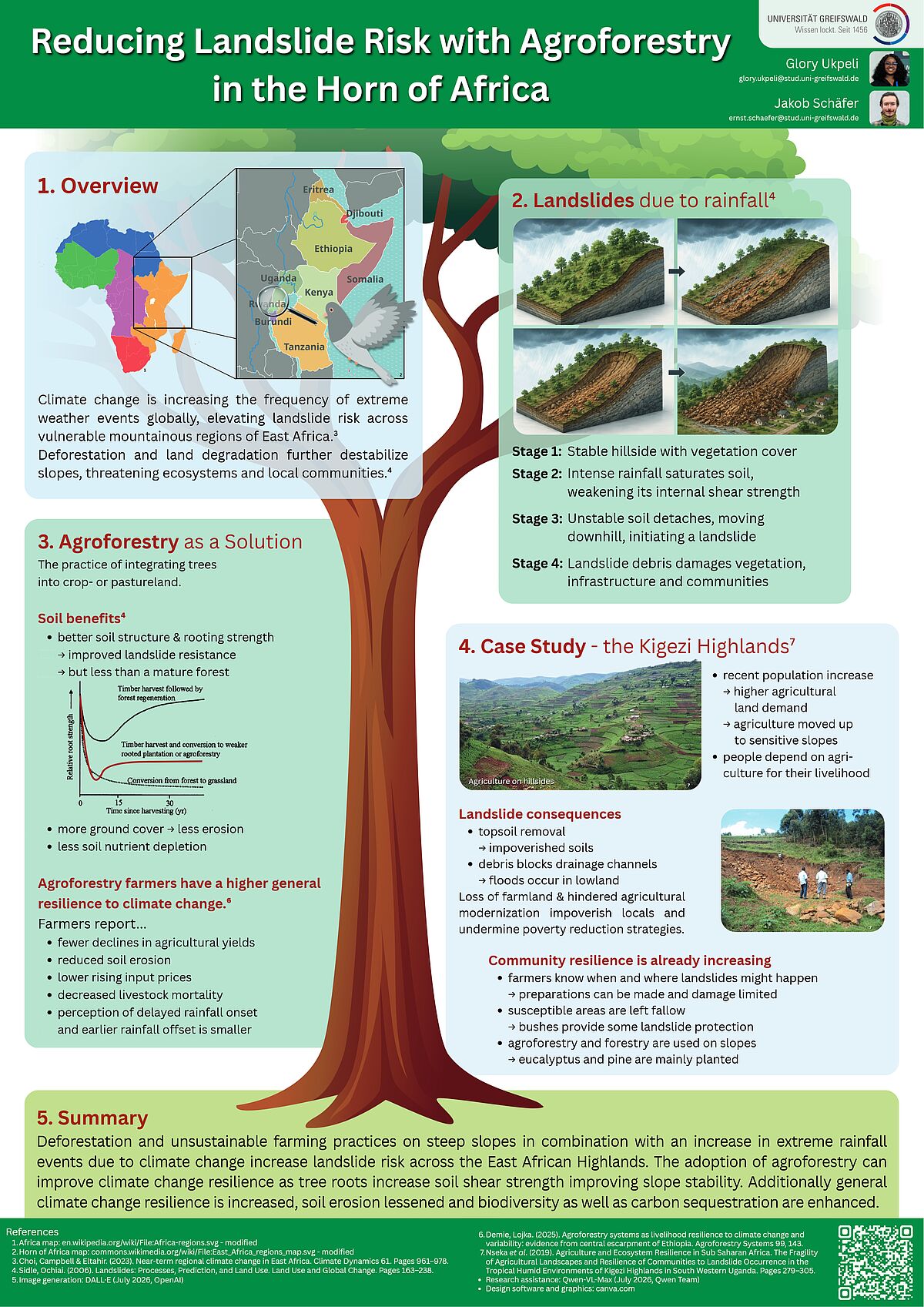
The combination of unsustainable farming practices and an increase in extreme rainfall events due to climate change has led to numerous landslides with disastrous consequences in the humid highlands of the Horn of Africa. With this poster we want to shed light on a form of agriculture that could provide both resources to communities and mitigate landslide risk; Agroforestry.
Podcast
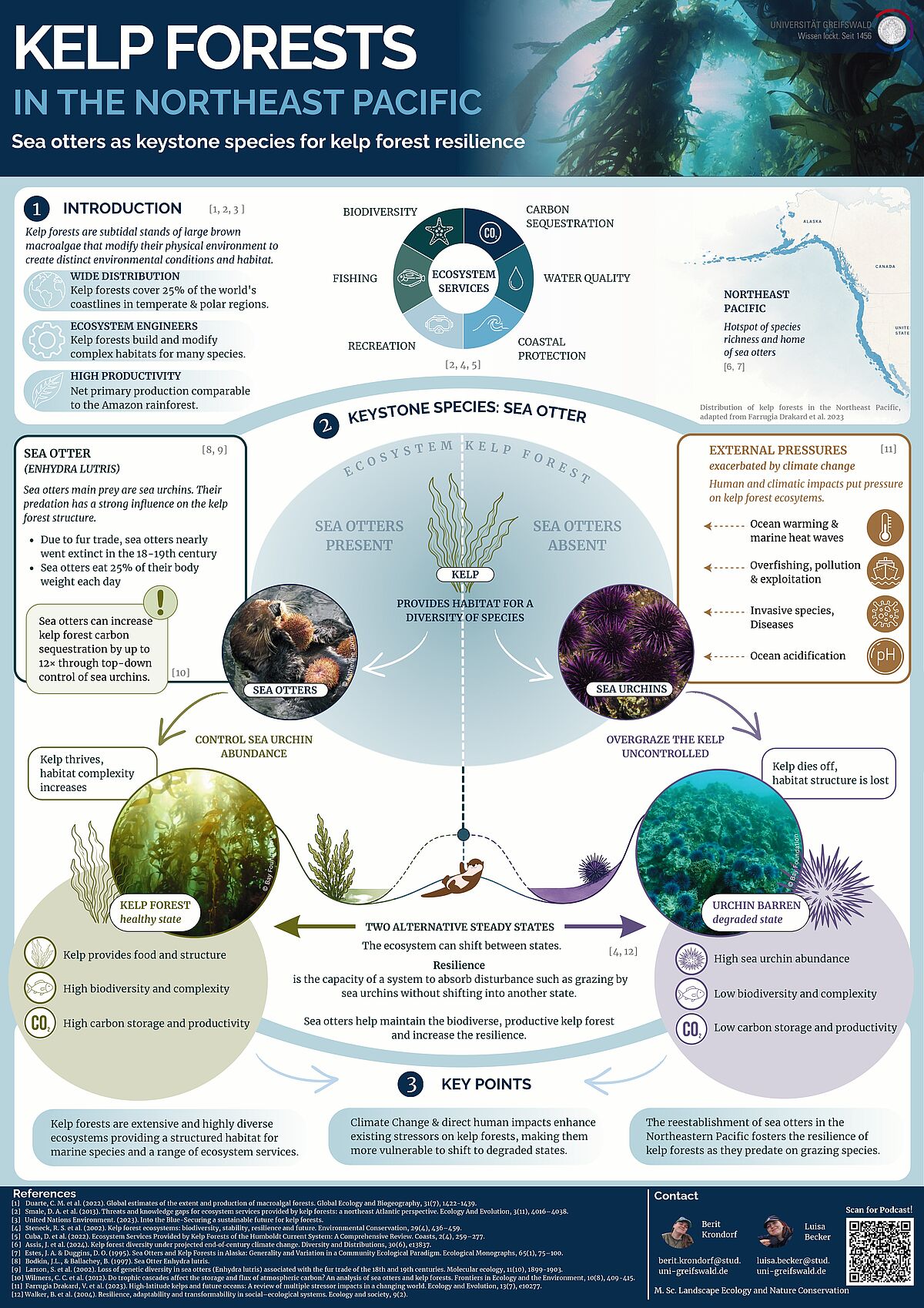
Kelp Forests in the Northeast Pacific
Sea otters as keystone species for kelp forest resilience
Kelp forests are highly productive coastal ecosystems that support biodiversity, sustain fisheries, protect shorelines, and store carbon. The Northeastern Pacific coastline is a biodiversity hotspot and home to around 90% of the world's sea otter population. As a keystone species, sea otters enhance ecosystem resilience by preying on kelp-grazing sea urchins. Without sea otters, sea urchin populations can proliferate and transform kelp forests into degraded urchin barrens, resulting in the loss of essential ecosystem functions and services. Climate change further exacerbates these pressures through ocean warming and other stressors, increasing the vulnerability of kelp forests to such ecosystem shifts.
Podcast
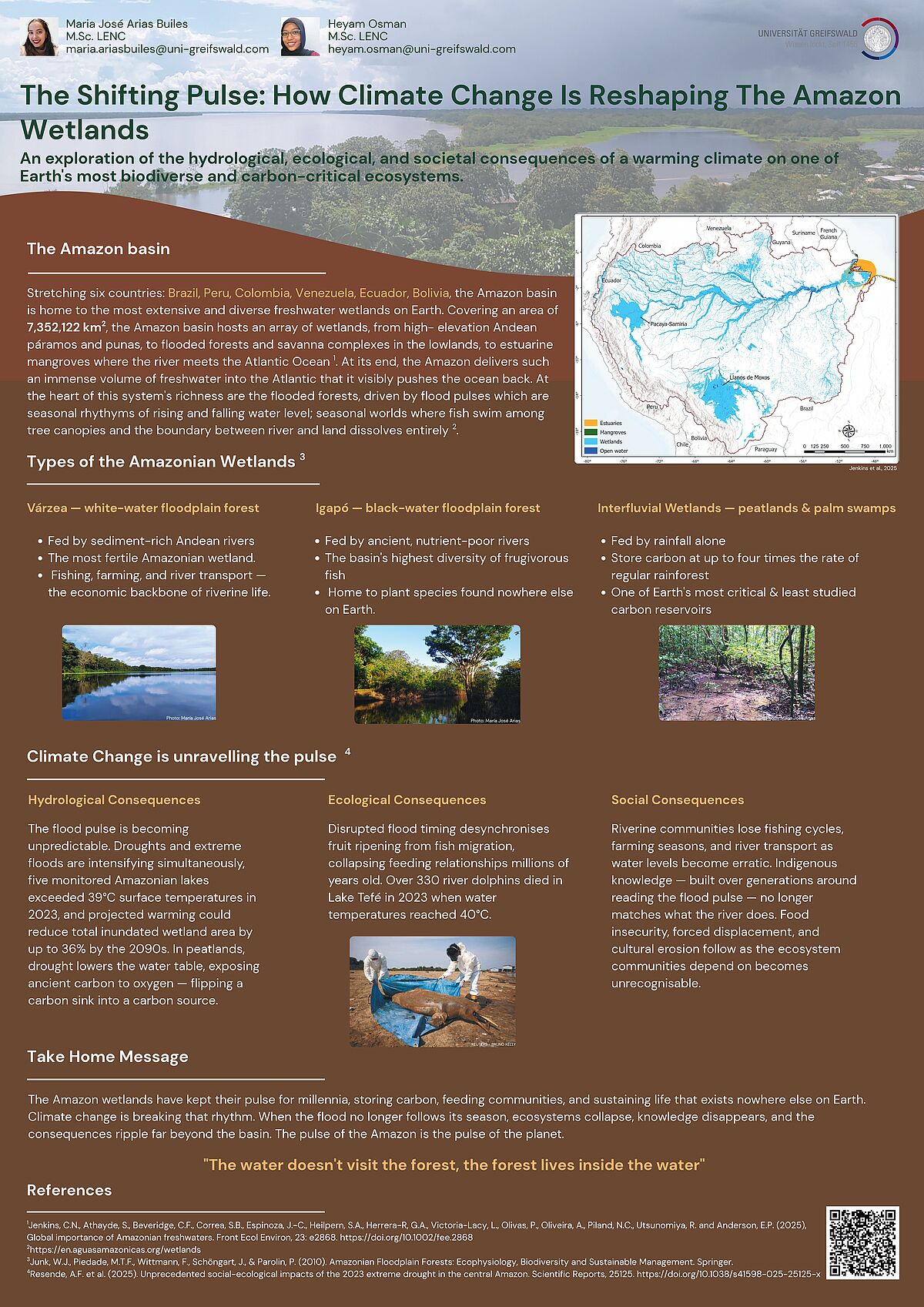
The Shifting Pulse
Hydrology, Ecology, and Society in the Amazon Wetlands
For millennia, the Amazon wetlands have followed a pulse, a seasonal rhythm of flood and retreat that sustains ecosystems, feeds communities, and stores carbon critical to the planet's stability. Climate change is unravelling that rhythm. This poster explores the hydrological, ecological, and societal consequences of that disruption across three of the Amazon's most vital wetland types, and asks what is at stake when the water no longer follows its season.
Podcast
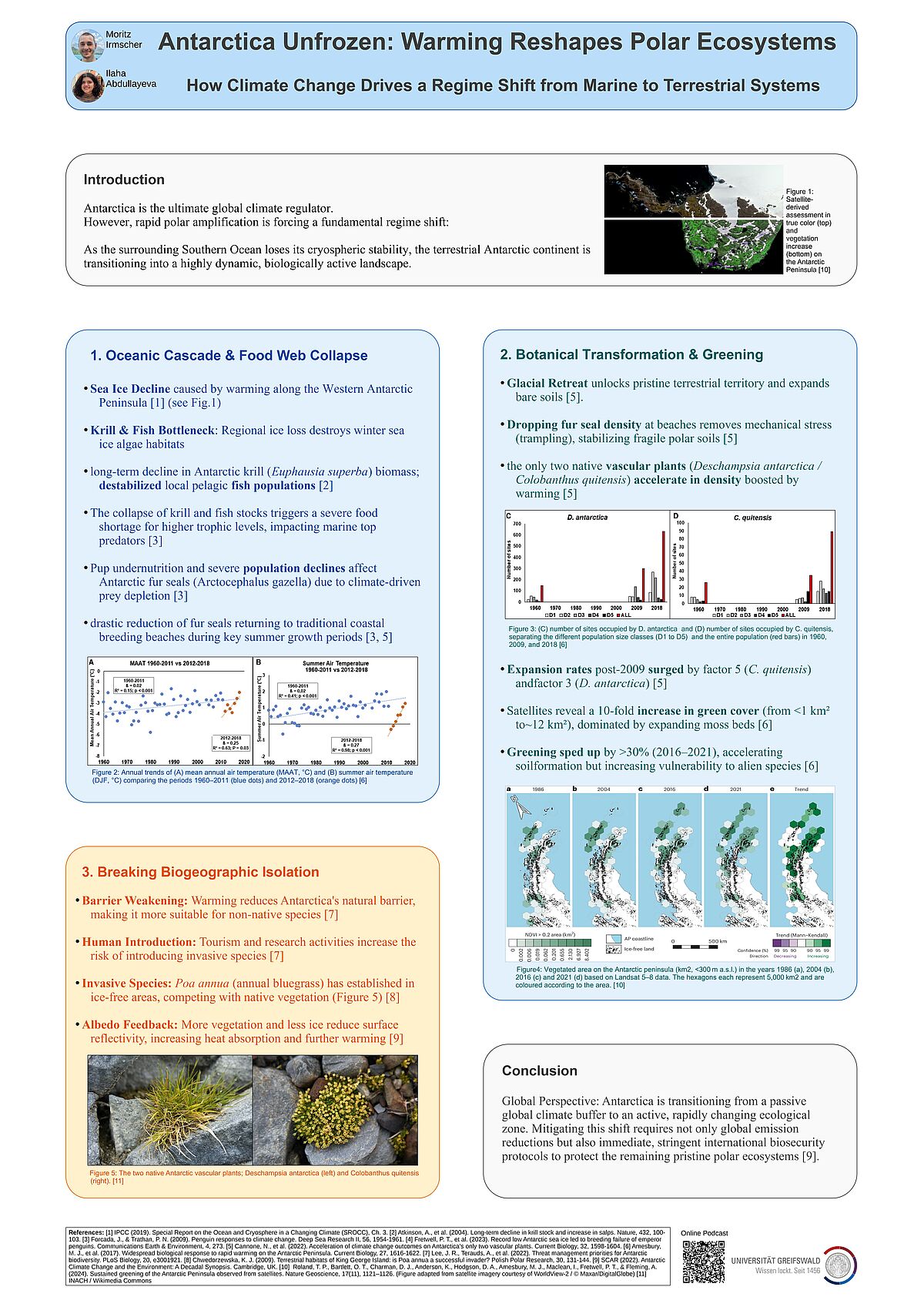
Antarctica Unfrozen: How Warming Reshapes Polar Ecosystems
Climate Change Drives a Regime Shift from Marine to Terrestrial Systems
Rapid climate warming along the Antarctic Peninsula triggers a fundamental ecological regime shift from marine to terrestrial ecosystems. Sea ice decline destabilizes krill stocks, causing a trophic bottleneck that severely reduces the density of Antarctic fur seals on breeding beaches. This release from mechanical trampling pressure, combined with rising temperatures, drives an unprecedented acceleration of terrestrial greening while opening niches for invasive species.
Podcast
Climate Change Impact on Mangrove Ecosystems: The Sundarbans
Mangroves link land and sea, offering critical services such as biodiversity habitats, carbon storage, and coastal protection. This poster explores the Sundarbans, the world's largest continuous mangrove forest, and how climate change through sea-level rise, salinity intrusion, and stronger cyclones threatens this ecosystem and the communities that depend on it. It closes with conservation strategies like reforestation, cross-border cooperation, and community-based resource management to protect this ecosystem, which itself acts as an important shield against climate change.

Podcast
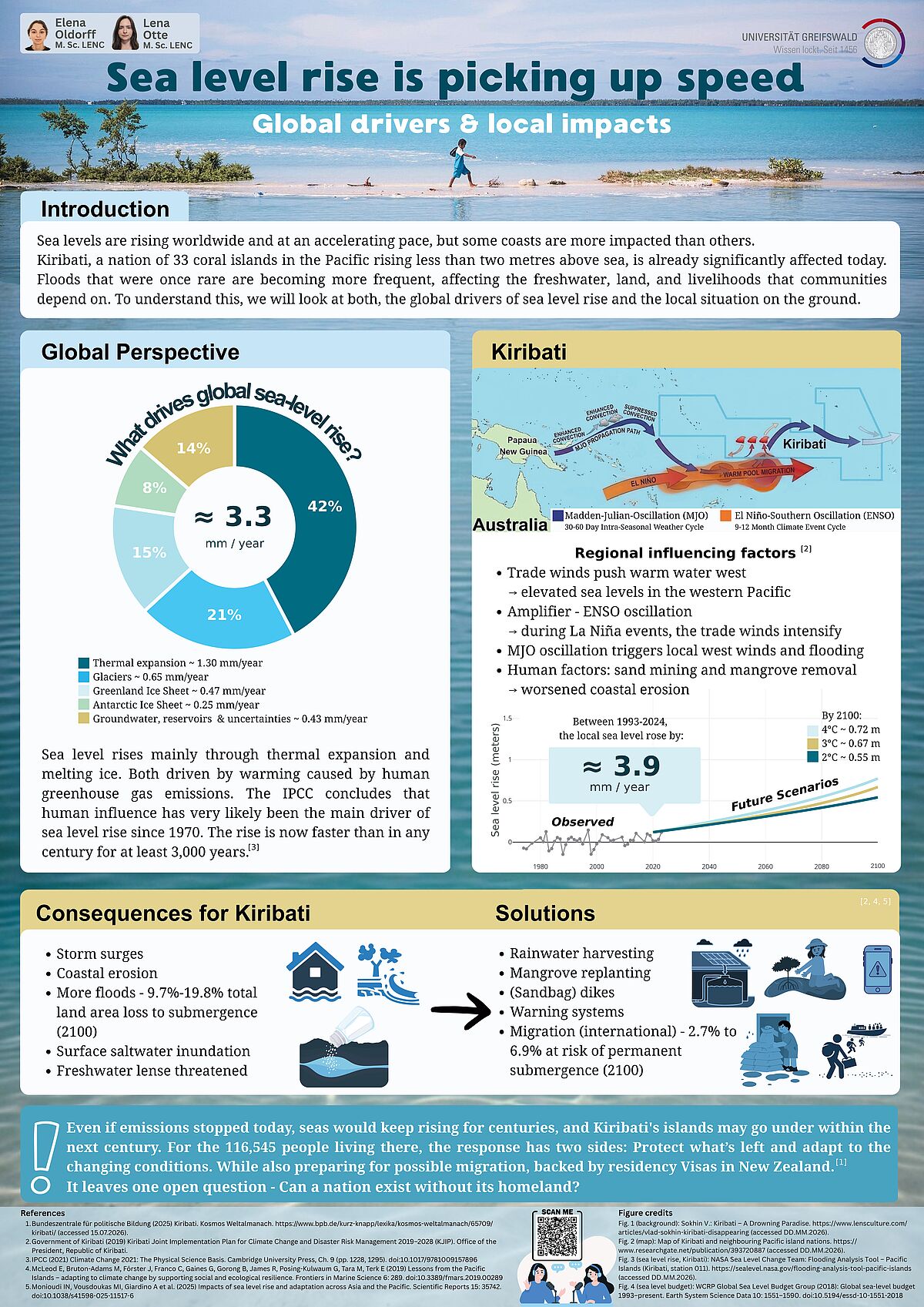
Sea level rise is picking up speed
Global drivers & local impacts
Sea levels are rising worldwide — and at an accelerating pace. Driven by melting ice and the thermal expansion of warming oceans, this global process does not affect all coasts equally. With hundreds of millions of people living in low-lying coastal zones, sea level rise is one of the most pressing challenges of our time. This poster explores the global drivers behind rising seas, their consequences for vulnerable communities, and the solutions being tried — using Kiribati as a window into a future that much of the world may soon face.
Podcast
Changing Coasts
Climate Change Impacts on the Wadden Sea Ecosystem and Shorebirds
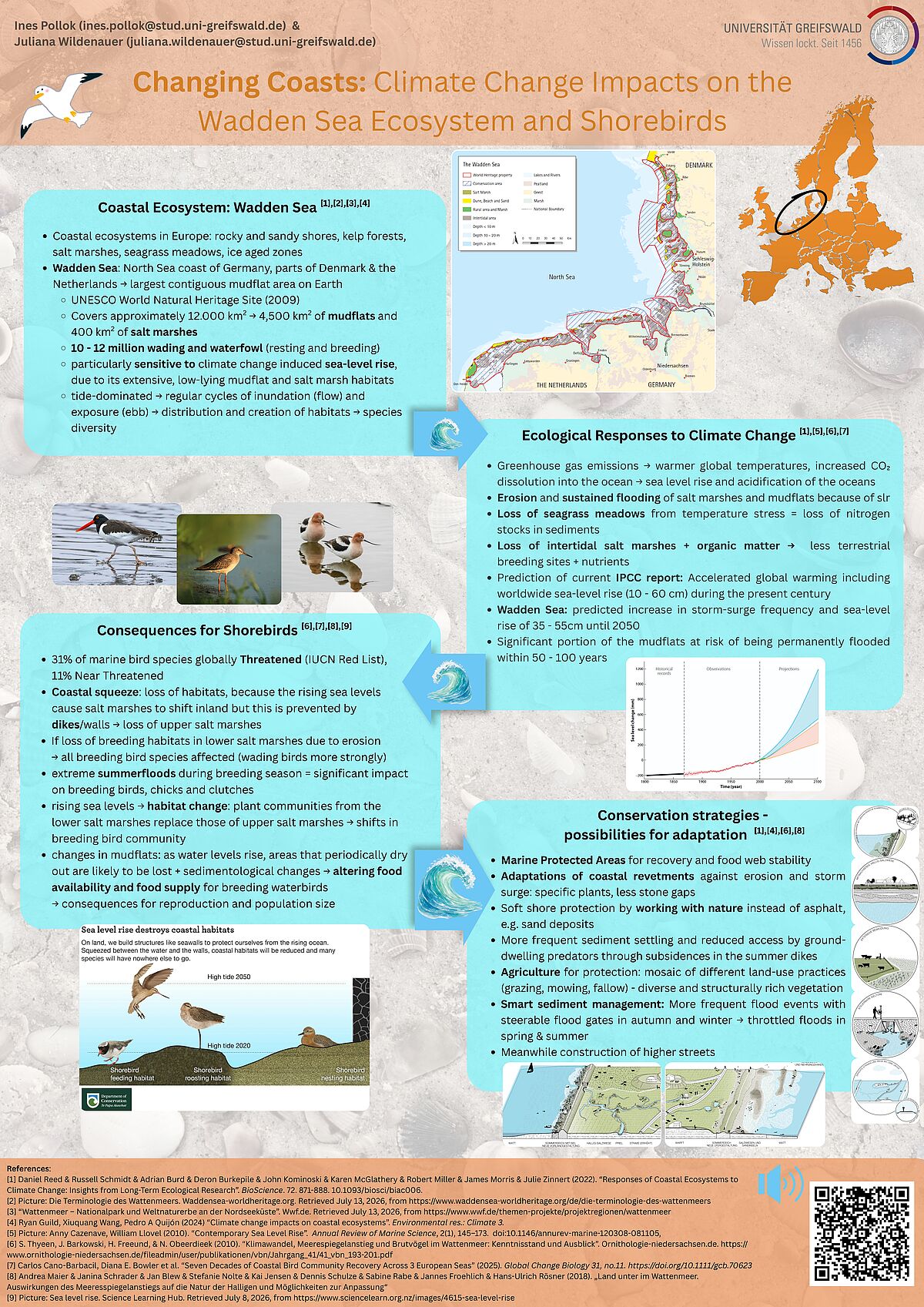
This poster examines the ecological impacts of climate-induced sea-level rise on the Wadden Sea that serves as a critical habitat for millions of migratory and breeding shorebirds. It highlights how "coastal squeeze" and the permanent flooding of tidal flats and salt marshes lead to a severe loss of nesting, roosting, and feeding grounds, directly threatening bird populations. Finally, the study discusses sustainable conservation and adaptation strategies—such as smart sediment management and nature-based coastal protection—to safeguard the resilience of this unique ecosystem.
Podcast
SESSION 02
The Great Green Wall
Fighting Desertification in the Sahel
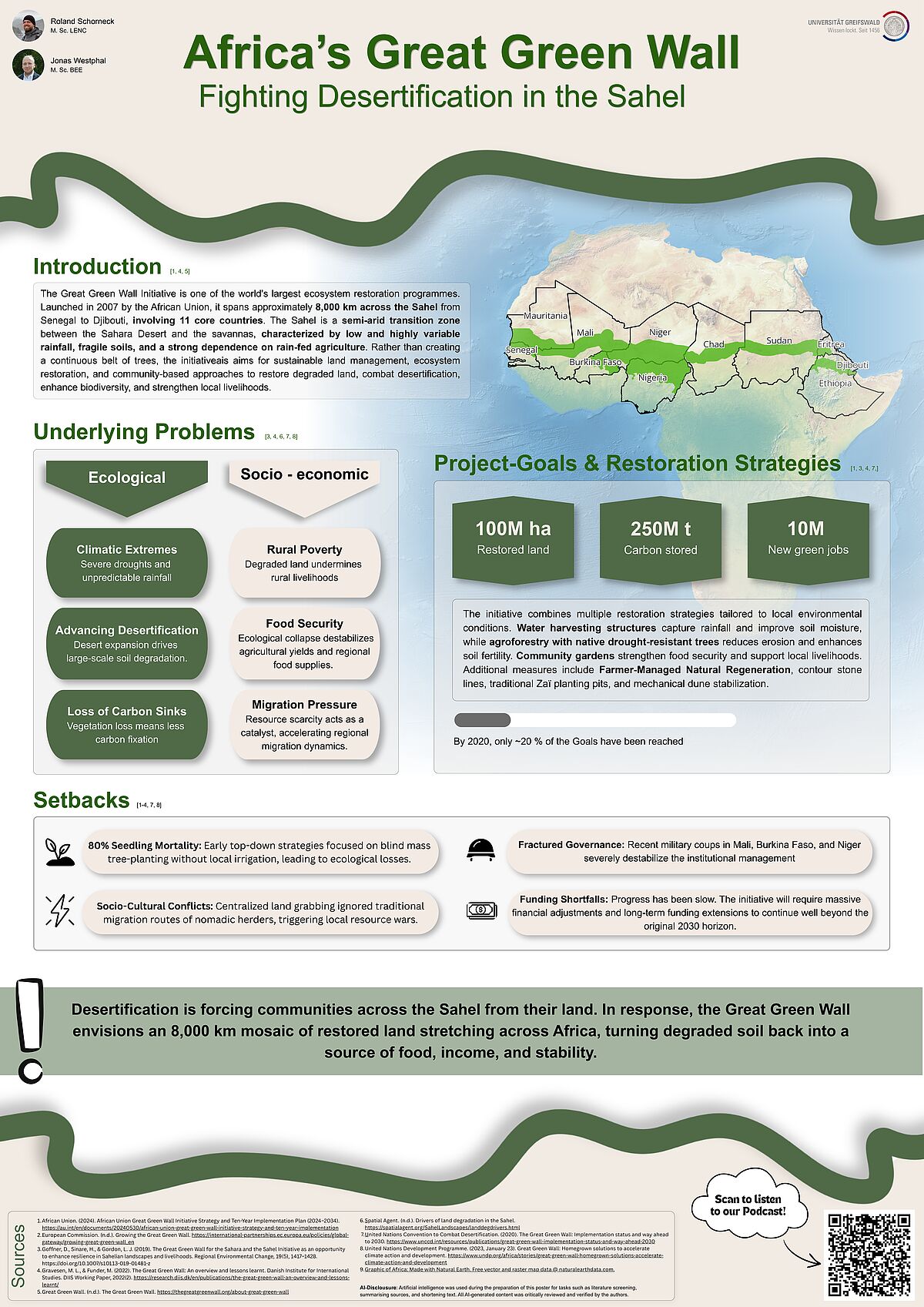
Climate change is driving rapid desertification in the African Sahel, turning fertile land into desert and endangering local food supplies. To combat this crisis, the Great Green Wall initiative aims to restore ecosystems across the width of the continent. The project uses sustainable farming and traditional water management to revitalize the ground rather than relying on a single line of trees. Its long-term success depends on integrating ecosystem restoration with sustainable livelihoods and strong local participation.
Podcast
El Nino's possible effects on bird migration
A look into an increasingly unpredictable future for the Manx shearwater and the Patagonian shelf
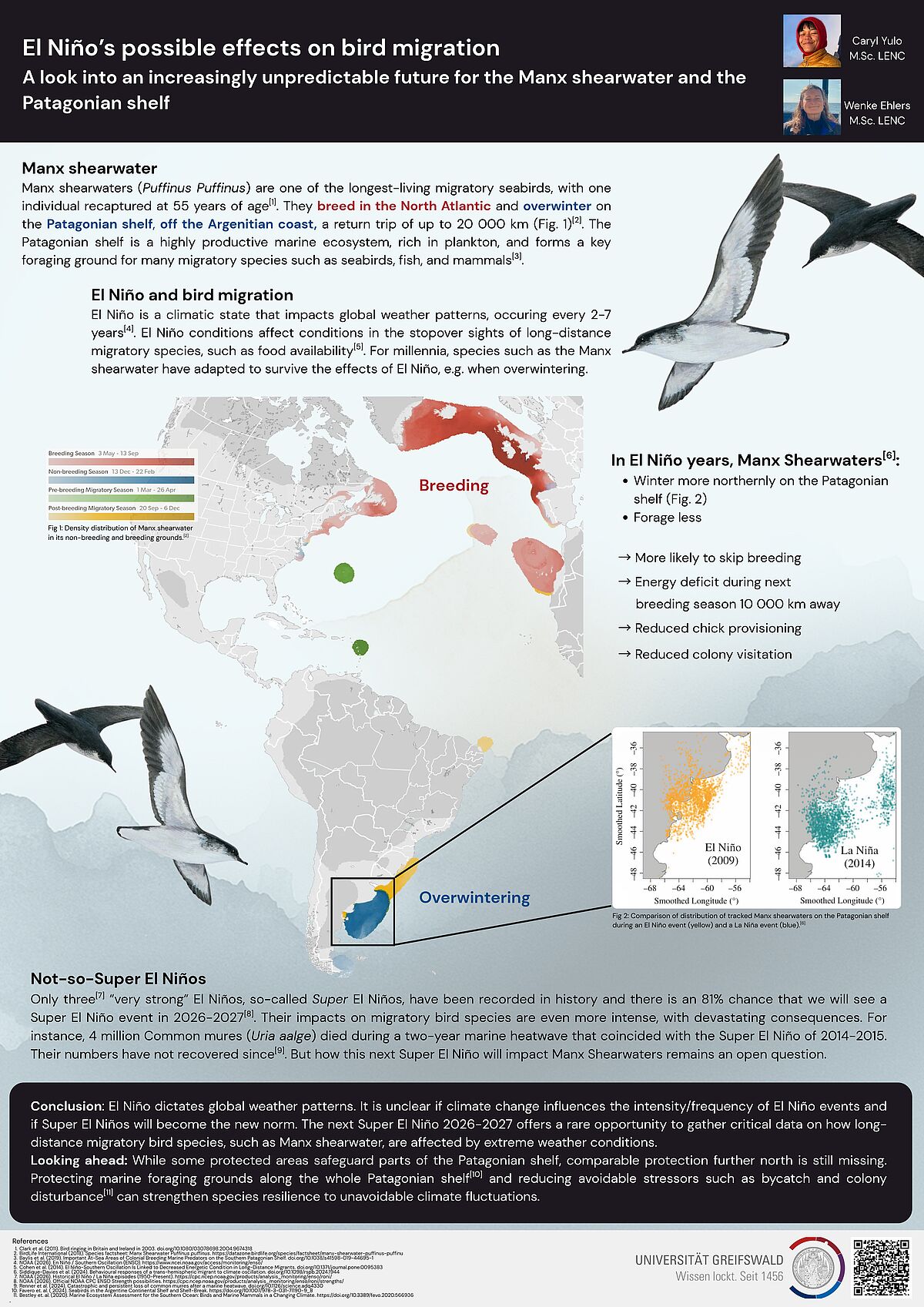
El Nino, a periodic climatic state, impacts global weather patterns. This, in turn, affects the environmental conditions of foraging grounds of migratory bird species. For millenia, species such as the Manx shearwater, a long-distance migratory seabird, have adapted to survive El Nino conditions, with one study finding a latitudinal shift in overwintering grounds located in the Patagonian shelf. In 2026, we may experience a so-called Super El Nino. Its impact is unclear, with potentially devastating consequences for Manx shearwater.
Podcast
Tropical Glaciers Melting in the Peruvian Andes
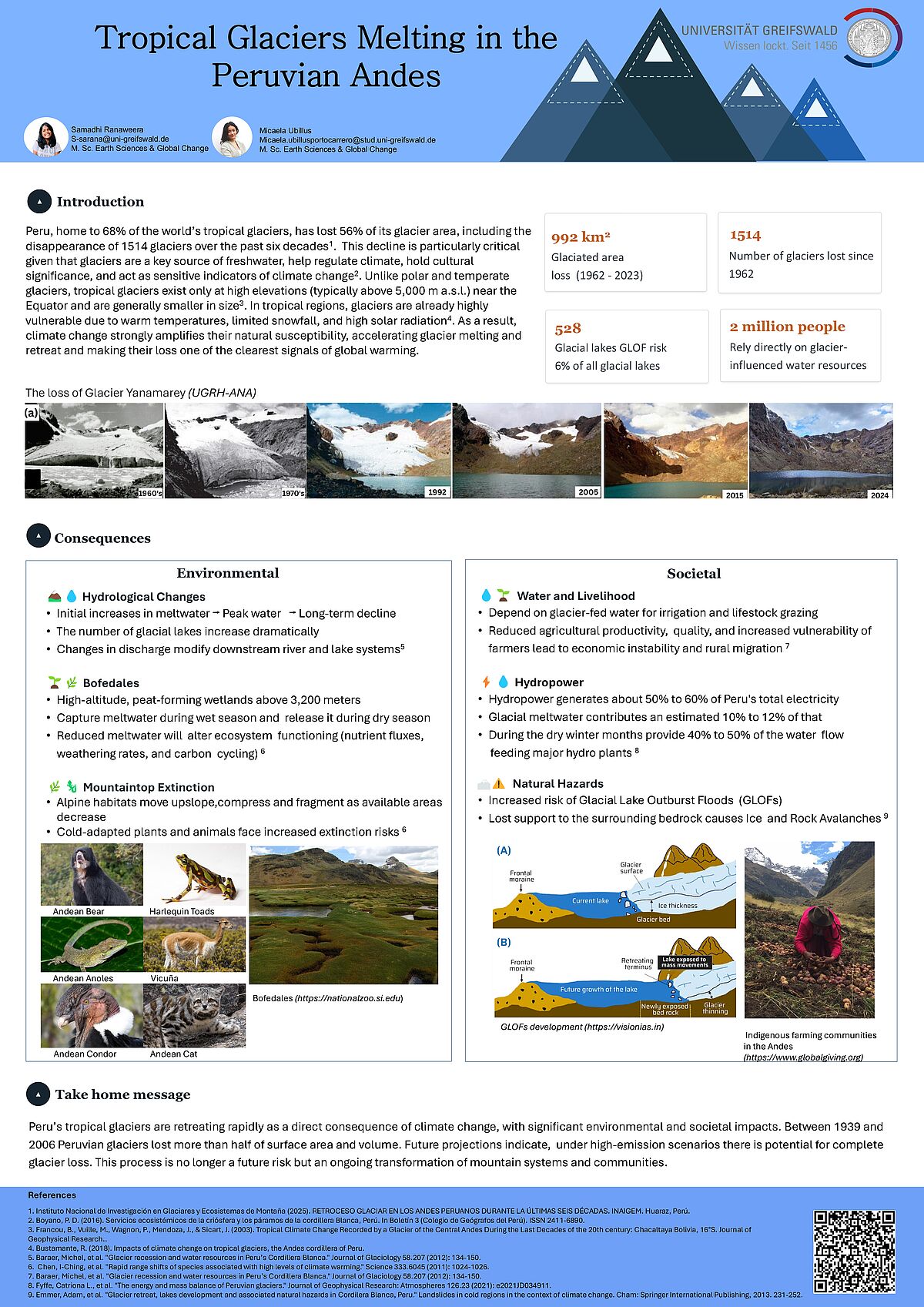
This work examines the rapid retreat of tropical glaciers in the Peruvian Andes driven by climate change and highlights its environmental and societal consequences. It explores how glacier loss is transforming hydrological systems, mountain ecosystems, and landscape stability, while increasing pressures on water resources, hydropower, and glacier-related hazards. Together, these changes highlight the growing vulnerability of Andean ecosystems and the communities that depend on glacier-fed water.
Podcast
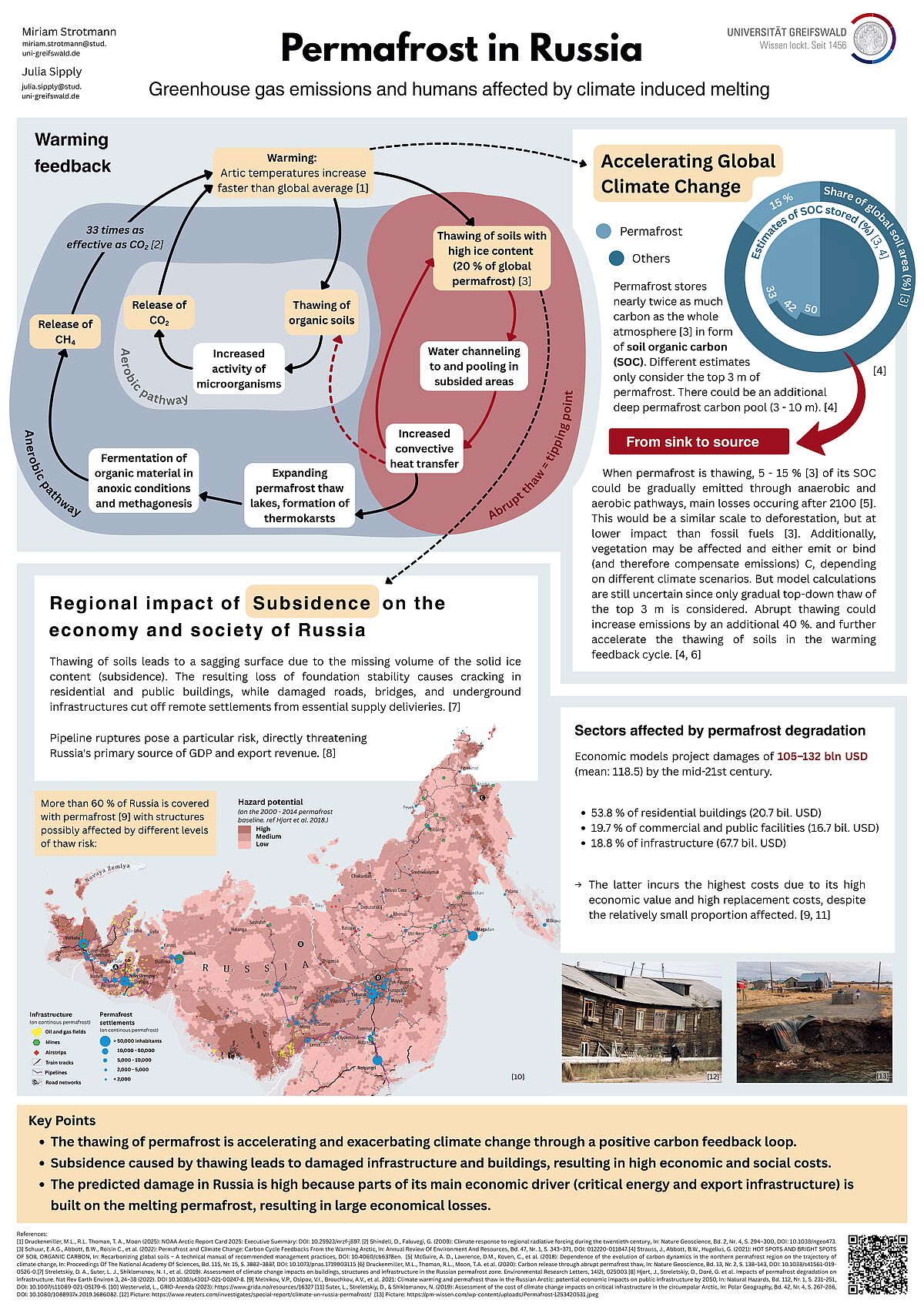
Permafrost in Russia
Greenhouse gas emissions and humans affected by climate induced melting
Permafrost covers over 60 % of Russia and is thawing at an accelerating rate, as the Arctic warms faster than the global average. As it thaws, the ground releases stored organic carbon, which microbes break down into CO₂ and methane, further driving warming and turning a former carbon sink into an emissions source. At the same time, the thaw destabilizes the ground itself. Buildings crack, roads and pipelines are damaged, and remote settlements are cut off from supplies. This is projected to cause large economic losses, with infrastructure accounting for the highest costs due to the energy and export infrastructure.
Podcast
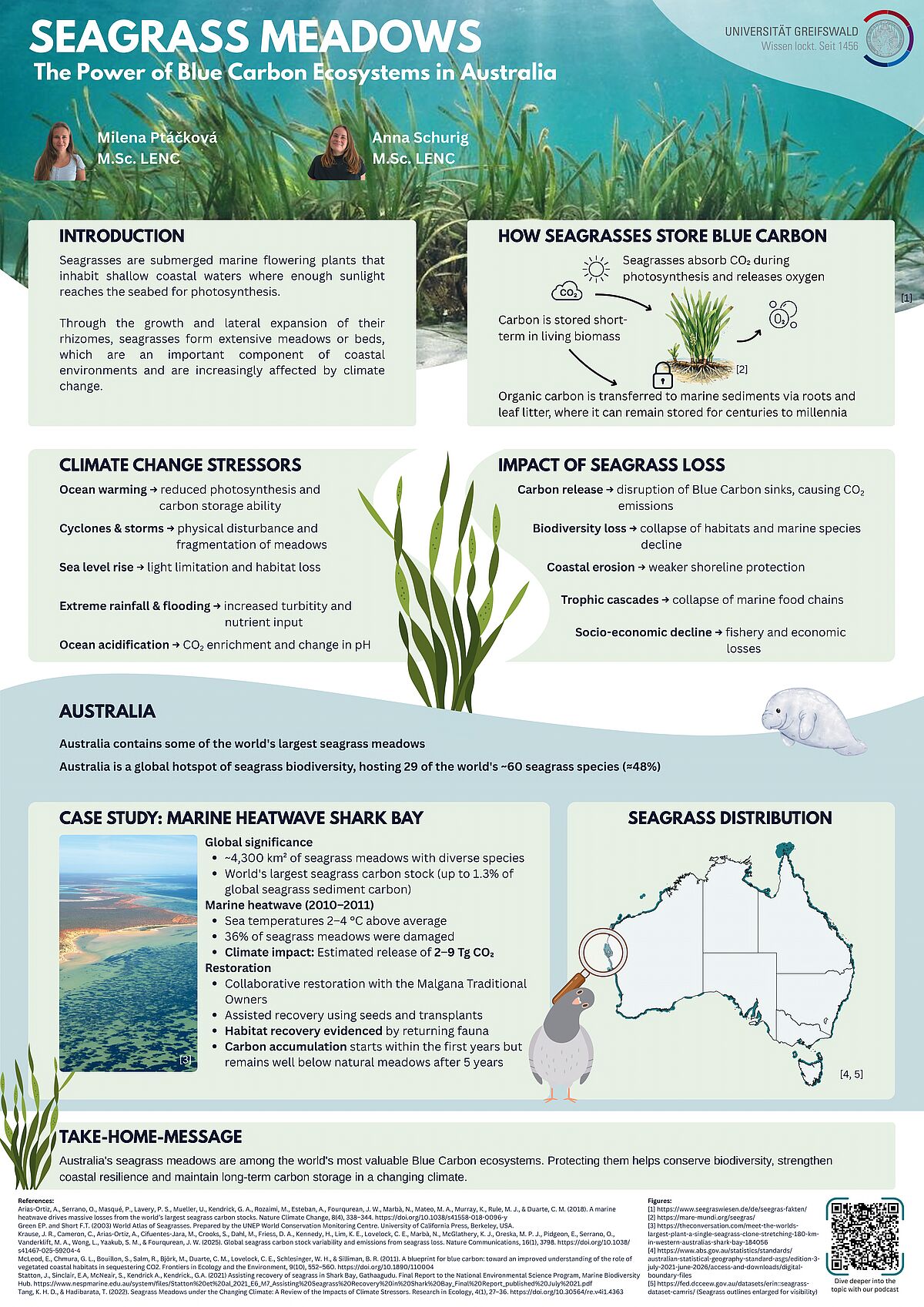
Seagrass Meadows
The Power of Blue Carbon Ecosystems in Australia
This academic poster explores the critical role of seagrass meadows as highly efficient "Blue Carbon" sinks, highlighting their capacity to sequester carbon up to 10 times faster than tropical rainforests. It examines how climate change stressors, including ocean warming and extreme storms, accelerate seagrass loss and trigger cascading ecological and socio-economic consequences. Focusing on Australia as a global hotspot for seagrass biodiversity, the poster features a dedicated case study on the devastating impacts of marine heatwaves in Shark Bay. Ultimately, it underscores the urgent need for coastal conservation and collaborative restoration efforts to preserve these vital marine ecosystems.
Podcast
Traditional Terraces in Greece
Biocultural Pathways to Climate Adaptation
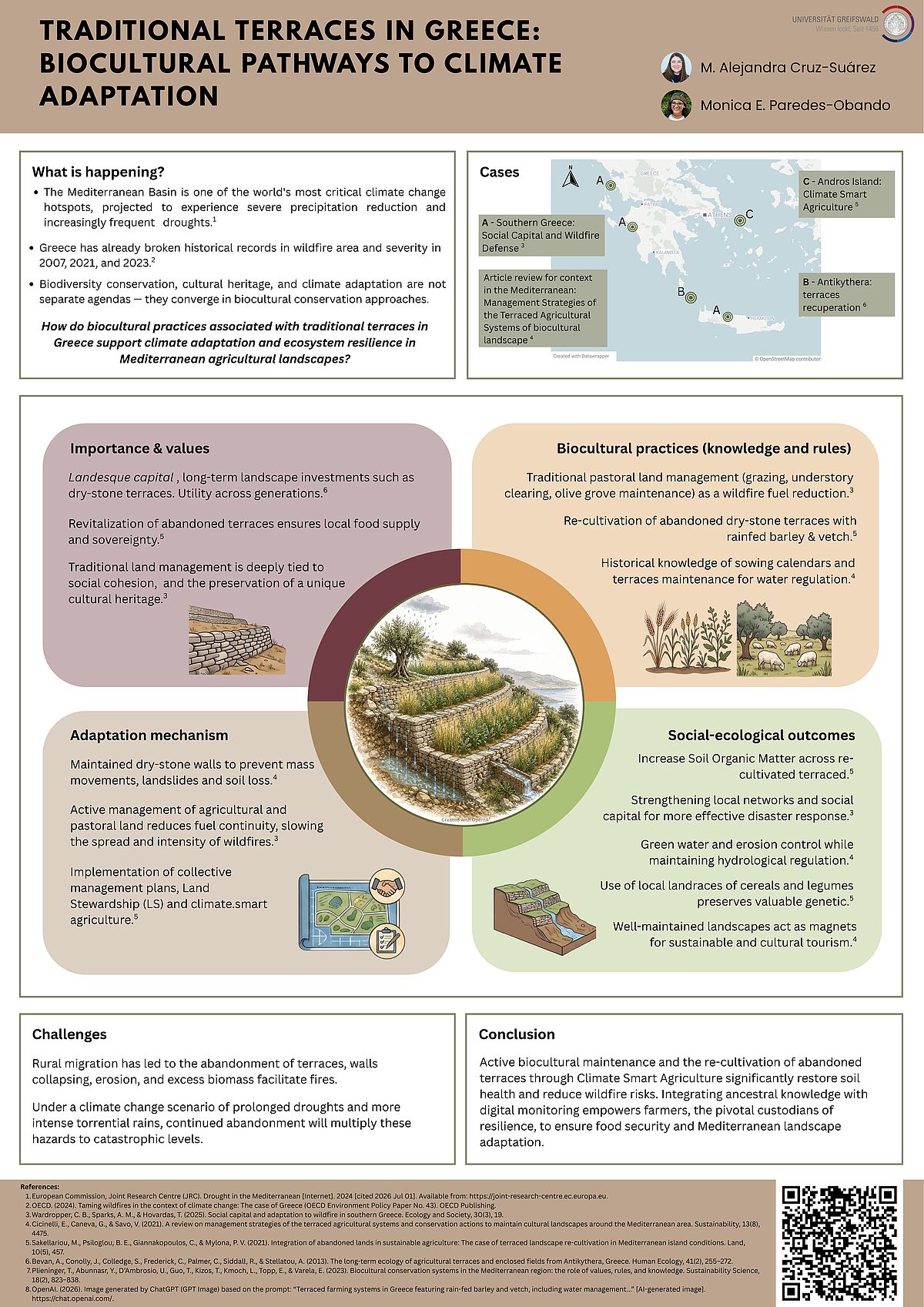
This poster explores how biocultural practices, such as the maintenance of traditional dry-stone terraces and pastoral land management, serve as vital tools for climate adaptation and ecosystem resilience in Greece. It highlights specific case studies in Southern Greece, Antikythera, and Andros Island where the re-cultivation of abandoned land and the use of ancestral knowledge help mitigate risks like wildfires, soil erosion, and food insecurity. By integrating local traditions with modern strategies like Climate Smart Agriculture, these pathways strengthen social capital and restore soil health in the face of increasingly severe Mediterranean droughts and rains. Ultimately, the research emphasizes that empowering farmers as custodians of these landscapes is essential for preserving cultural heritage and ensuring the long-term sustainability of Mediterranean agricultural systems.