
SpectraROOT@ArtIFARM
Multispectral root imaging for AI-supported root analysis
SpectraROOT combines spectral imaging with automated minirhizotrons to improve the detection of plant roots in soil and AI-supported analysis of root images. A specialised master unit is intended to provide high-quality training data, allowing models for lower-cost RGB minirhizotrons to be adapted more efficiently to different plant–soil combinations.
Experimental Plant Ecology develops device requirements, conducts mesocosm and field experiments, and optimises AI training with the project partners. The project is part of the WIR! ArtIFARM alliance and brings together plant ecology at the University of Greifswald, technical development at Hochschule Stralsund and on-farm testing.
Contact: Prof. Dr. Jürgen Kreyling
GMI Moorforschungscluster
Information on research, subprojects and participants is available on the GMI Moorforschungscluster website.


PaludiAllianz
Establishing scalable value chains for paludiculture biomass from rewetted peatlands in Germany in alliance with economic stakeholders

Project duration: 01.03.2024 – 31.12.2026
Grant reference: 2223MT002C
Funding: FNR – Agency for Renewable Resources, on behalf of and with funding from the Federal Ministry of Food and Agriculture (BMEL)
Contact: PD Dr. Franziska Tanneberger
Aim
PaludiAllianz aims to advise and support companies in piloting innovative uses and developing products from paludiculture biomass, integrate them into existing and newly established networks, and provide organisational and specialist support throughout this transformation process.
MAKROBIO
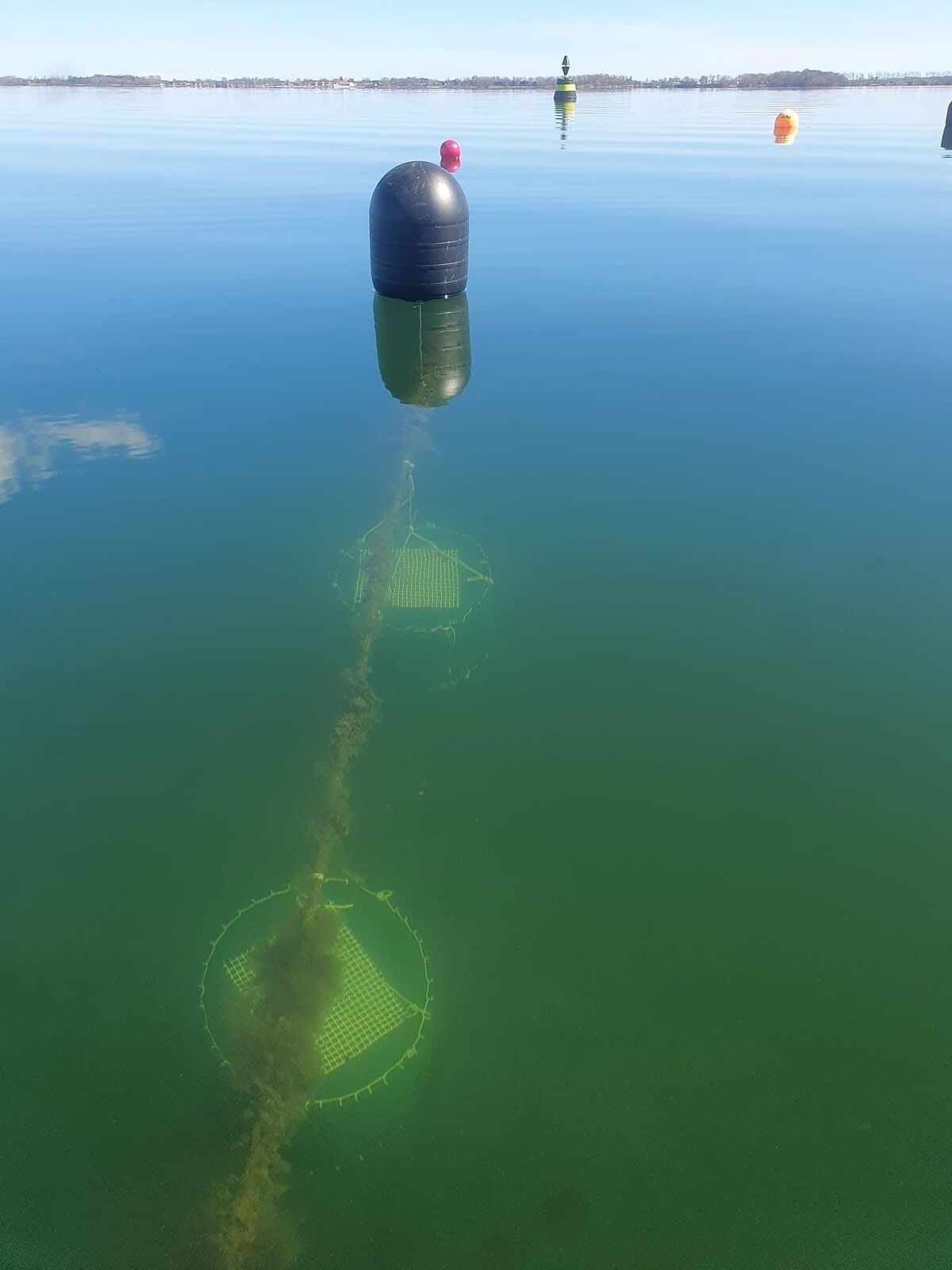
Establishment of Macroalgae Cultivation for a Sustainable Blue Bioeconomy in Mecklenburg-Western Pomerania

Paludizentrale
Zentrale Koordination der Modell- und Demonstrationsvorhaben zum Moorbodenschutz inklusive der Nutzung von nachwachsenden Rohstoffen aus Paludikultur

ArtINmin – Long-term monitoring of nitrogen in soil
Autonomous sensor system for monitoring nitrate dynamics in soil

ArtINmin is developing an autonomous sensor system for weekly monitoring of nitrate dynamics in soil down to a depth of 1 m. The project combines ecological mesocosm experiments with modern sensor technology and AI-supported analysis to capture changes following fertilisation, rainfall, or drought and to support more sustainable fertiliser decisions and environmental monitoring. ArtINmin is part of the ArtIFARM alliance.
Contribution of Experimental Plant Ecology: The group develops and manages mesocosm experiments with defined nitrogen availability to test and calibrate the sensor system under controlled conditions. The work covers precisely defined substrates, monitoring plant growth and root development, recording moisture, temperature and soil structure, ecological validation of sensor data, and transfer to field experiments.
Project period: 2026–2028
Project type: Research and development project, implementation phase 1


ArtIGROW@ArtIFARM
Predicting plant growth, yield and economic viability using an AI-supported system
Funding: Federal Ministry of Education and Research in the framework of: „WIR! – Wandel durch Innovation in der Region“
duration: 2023 to 2026
part of ArtiFarm


IDE-Hiddensee

International Drought Experiment
Contributing one site of coastal heathlands on Hiddensee to the International Drought Experiment (IDE) within Drought-Net (a global network to assess terrestrial ecosystem sensitivity to drought) with field scale drought and snow-removal experiments.
Project duration: 2015-2023




EVENT

Effects of extreme weather events (drought, heavy rain, freeze-thaw cycles) and biodiversity on ecosystem function
Field experiments established at the University of Bayreuth in 2005 investigated how grassland and dwarf-shrub communities respond to drought, heavy rainfall and freeze–thaw cycles. A focus was how plant-community composition and diversity influence responses to extreme weather events.
Funded by: DFG, State of Bavaria, Oberfrankenstiftung
Project duration: 2005-ongoing

