Makrobio
Establishment of Macroalgae Cultivation for a Sustainable Blue Bioeconomy in Mecklenburg-Western Pomerania
Contact: Johannes Sarau, Amber Carter
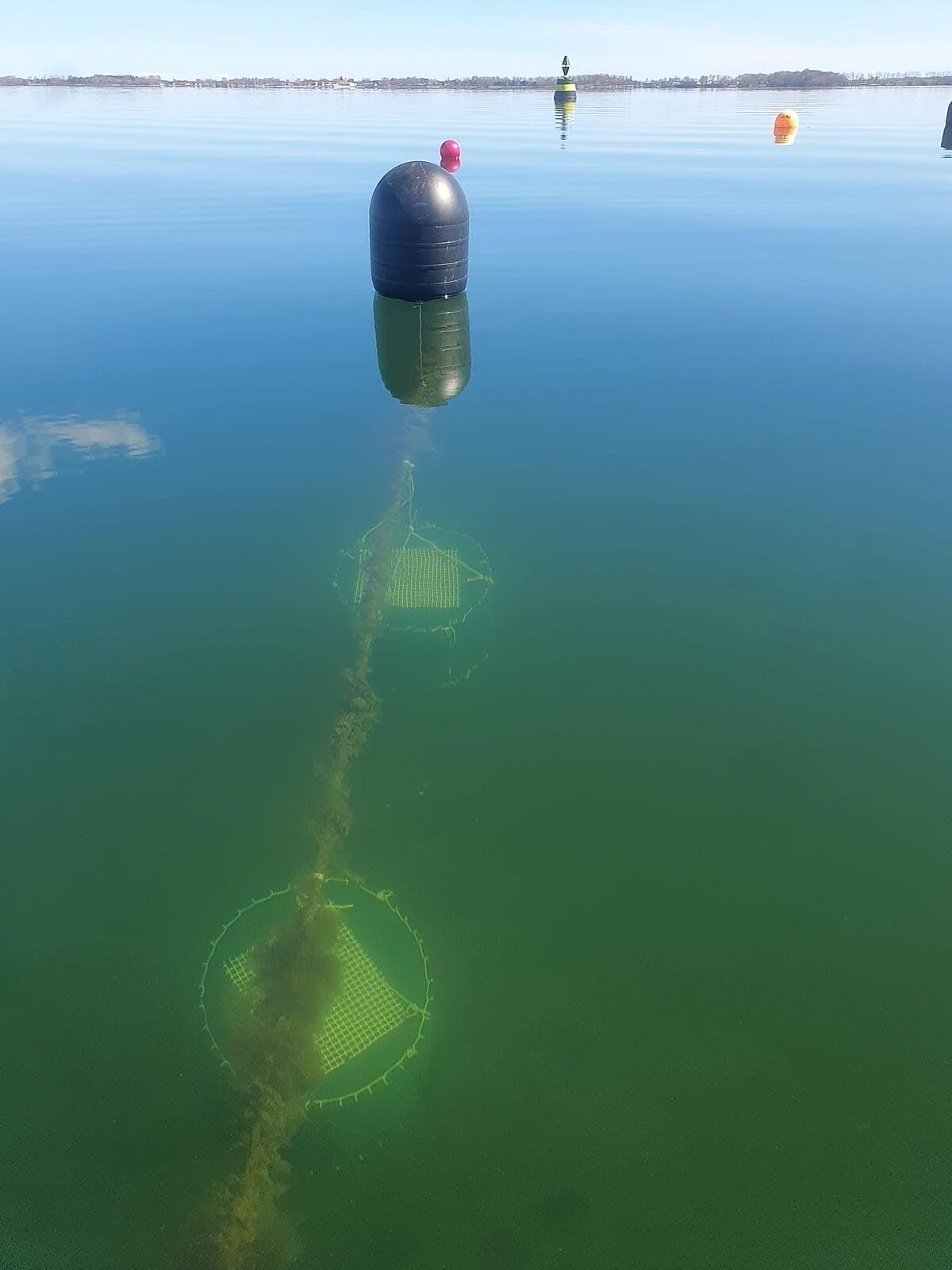
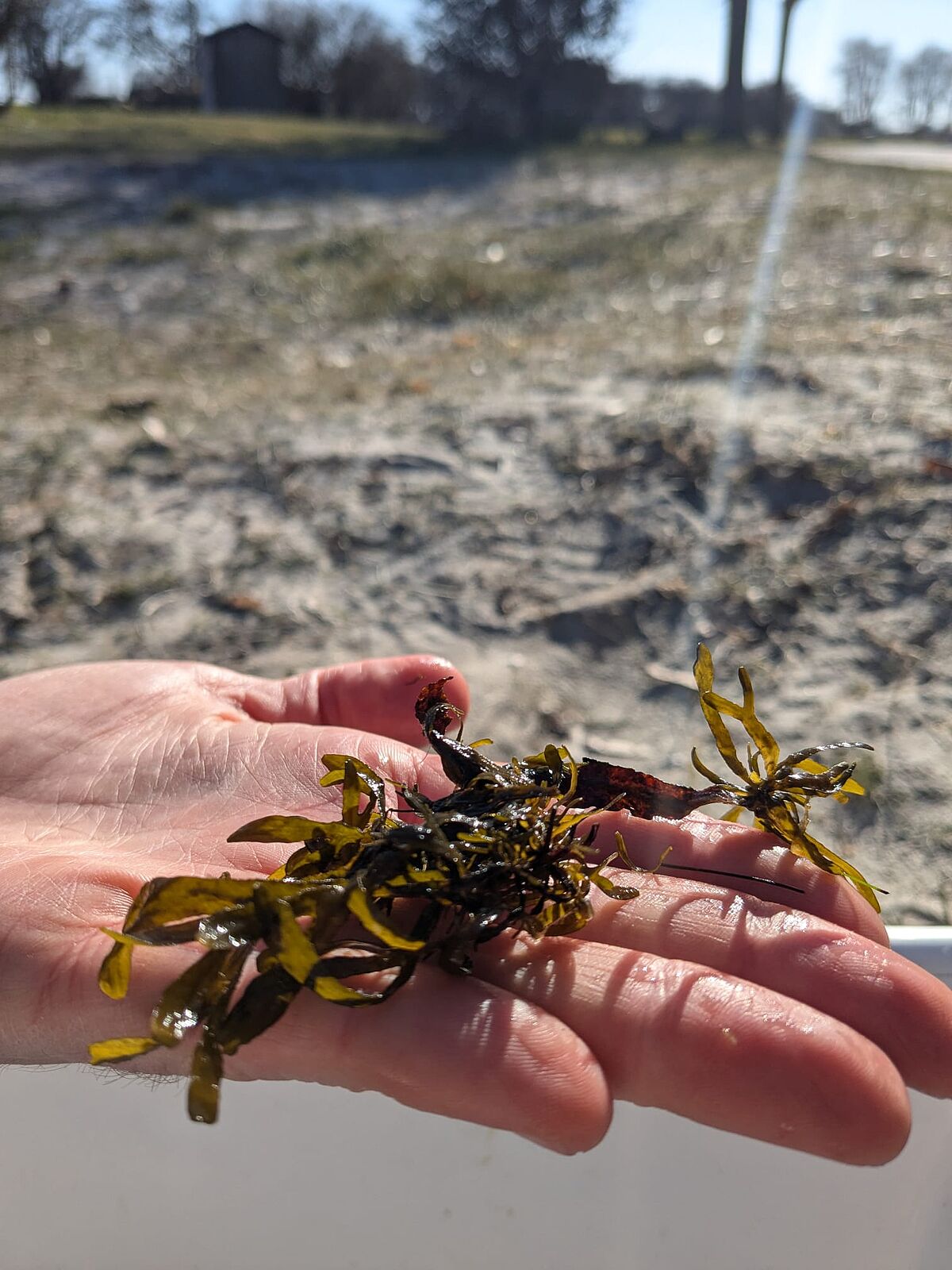
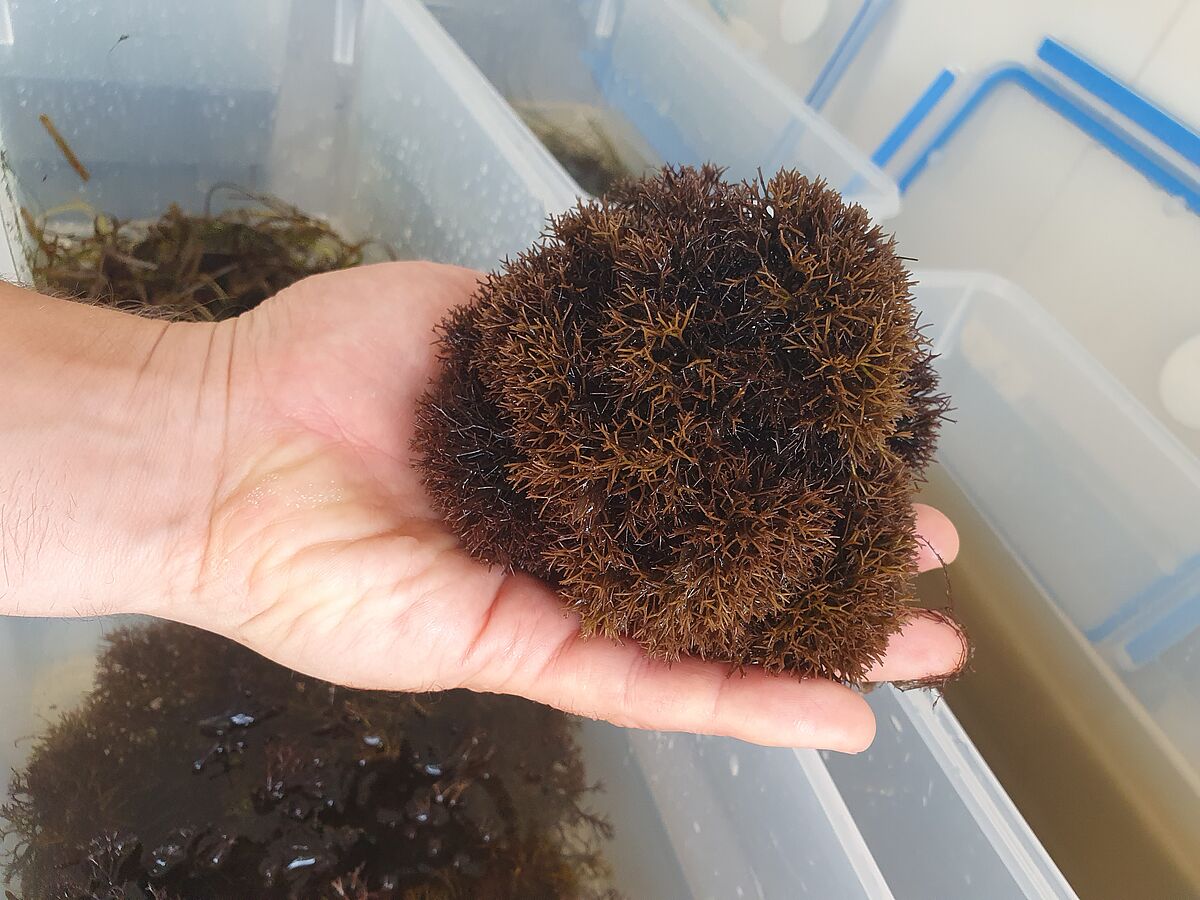
The MAKROBIO project focuses on research into macroalgae and their sustainable use in Mecklenburg-Western Pomerania. The project targets selected Baltic Sea species – Ulva spp., Fucus vesiculosus, Furcellaria lumbricalis, and Chorda filum – whose cultivation potential is systematically investigated and further developed. The goal is to develop sustainable cultivation methods and enrich polysaccharides for biotechnological applications.
Macroalgae cultivation enables the efficient use of previously untapped marine areas – without fossil fertilizers and without freshwater. At the same time, excess nutrients are removed from the Baltic Sea, generating high-quality biomass. In addition, the project makes an important contribution to basic research: insights into growth, environmental dependencies, and site-specific factors improve understanding of these key species and may also support future restoration projects for macroalgae populations.
The project addresses all steps along the value chain in an integrated manner:
Work Package 1: Pre-cultivation and Scaling of Macroalgae in Mecklenburg-Western Pomerania
The University of Greifswald and Alles Alge e.V. jointly develop and establish an efficient, sustainable, and reproducible cultivation system for selected macroalgae species (Ulva spp., Fucus vesiculosus, Furcellaria lumbricalis, and Chorda filum), adapted to the specific ecological conditions of Mecklenburg-Western Pomerania’s coastal waters. Unlike conventional monocultures, a co-cultivation system is implemented, which increases area efficiency and diversifies biomass production through different growth periods and vertical zoning, covering all phases from pre-cultivation to harvest.
Work Package 2: Potential for Sustainable Macroalgae Cultivation in Mecklenburg-Western Pomerania
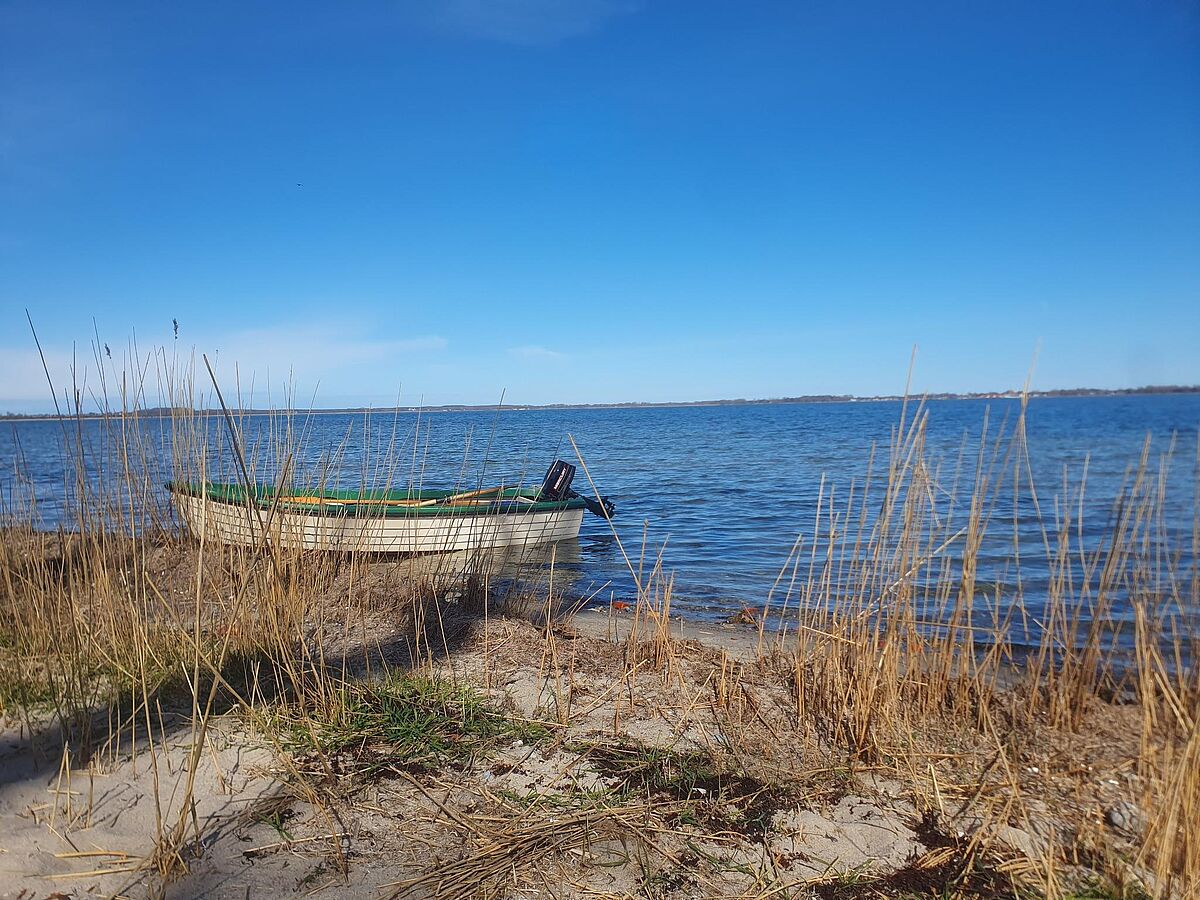
This work package, led by Alles Alge e.V., focuses on developing a solid foundation for ecologically sustainable and economically viable macroalgae cultivation in Mecklenburg-Western Pomerania. Suitable coastal sites are identified, sustainable materials for the technical construction of cultivation systems are tested, and relevant stakeholders from administration, research, and practice are involved early in the project.
Work Package 3: Use of Algae Biomass for Sustainable Biopolymers
A central innovation focus of the project is the use of marine polysaccharides from algae biomass to produce sustainable biopolymers. In addition to established products such as carrageenan, alginate, and agar, macroalgae contain sulfated polysaccharides that have so far been little explored and possess unique properties. The University of Rostock investigates to what extent these polysaccharides can replace petroleum-based plastics and how site selection influences their enrichment.
Facts:
- Duration: 01.01.2026 – 31.12.2029
- Funding Code:
- Funding: Joachim Herz Stiftung
- Funding Program: innovate! Fonds – New Perspectives for Biogenic Resources
Kontakt Universität Greifswald
Johannes Sarau (Projektteam)
Amber Carter (Projektteam)
Soldmanstraße 14a
17489 Greifswald
johannes.sarau@uni-greifswald.de
Kontakt Projektpartner:
Alles Alge e.V.
Esther Robbe (Projektleitung)
Christian Schulz (Projektteam)
Warnowufer 29 (Postanschrift)
18057 Rostock
info@alles-alge.de
www.alles-alge.de
Universität Rostock:
Jun.-Prof. Dr. Klaus Herburger
Albert-Einstein-Str. 3
Raum 027
18059 Rostock
klaus.herburger(at)uni-rostock.de